
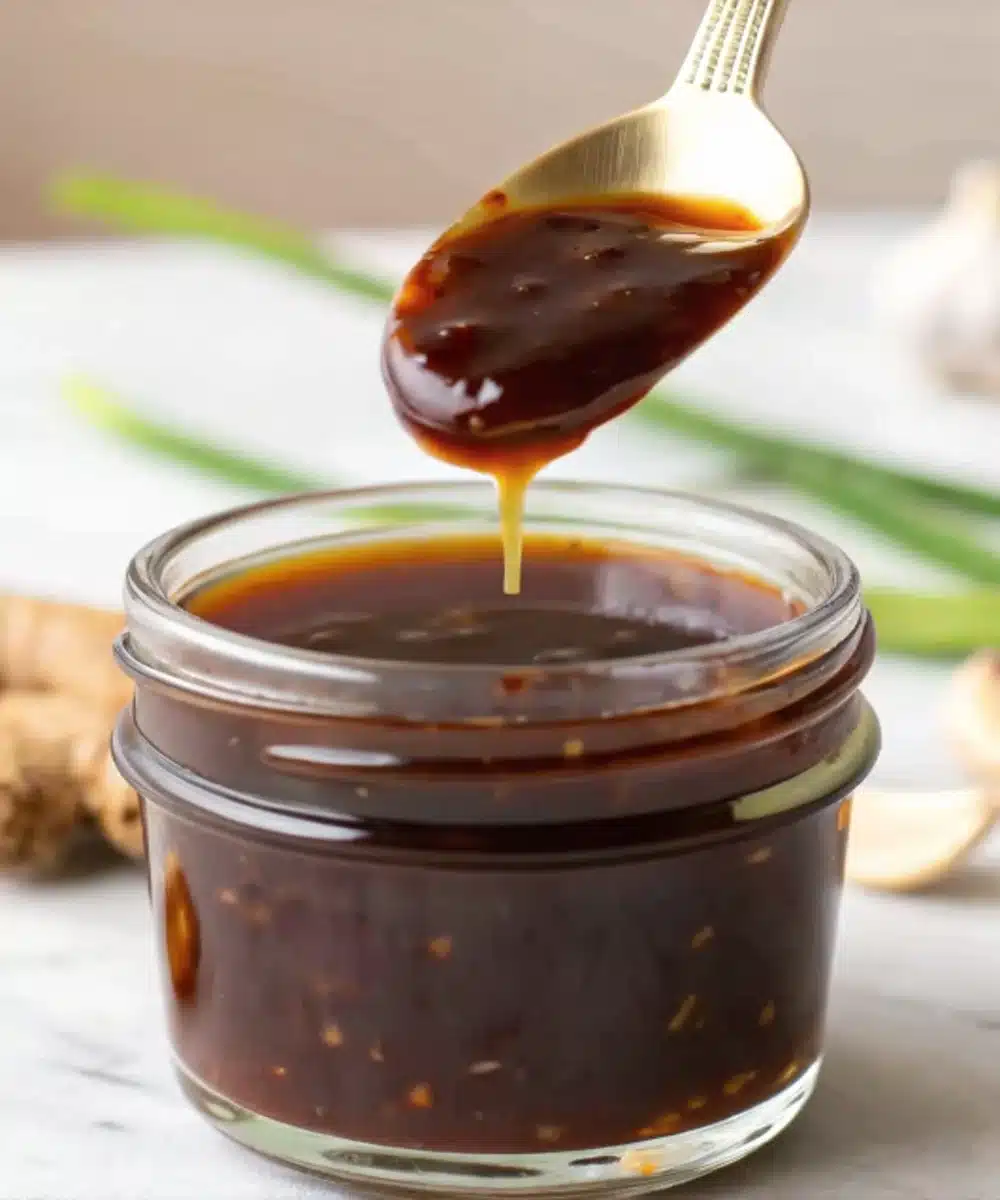
Oh, the memories! I can still vividly recall those hectic weeknights when dinner felt more like a race against the clock than a joyful family gathering. One particular evening, I was attempting a quick chicken teriyaki, relying on a bottle of store-bought sauce I’d grabbed in a hurry.
The result? A dish that tasted more like overly sweet, chemically concocted soy sauce than the rich, savory, and perfectly balanced teriyaki I knew and loved. My family, ever so polite, picked at their plates.
That night, something clicked. I decided right then and there that I needed to find out How to Make Homemade Teriyaki Sauce. It wasn’t just about avoiding another disappointing meal; it was about reclaiming the kitchen, creating something wholesome, and bringing truly delicious flavors to our table.
Fast forward a few years, and making my own teriyaki sauce from scratch has become a beloved ritual. It’s unbelievably simple, uses ingredients you likely already have, and the flavor? Oh, it’s simply incomparable.
Forget those cloyingly sweet, additive-filled versions from the grocery store. This recipe for homemade teriyaki sauce is a game-changer. It’s robust, versatile, and comes together in mere minutes, transforming everyday meals into something extraordinary. Trust me, once you learn how to make homemade teriyaki sauce, you’ll never go back to the bottled stuff.
Why You’ll Love This Homemade Teriyaki Sauce Recipe
You might wonder why you should bother learning how to make homemade teriyaki sauce when so many options exist on supermarket shelves. Well, let me tell you, the reasons are plentiful and utterly convincing! First and foremost, the flavor difference is monumental.
This homemade teriyaki sauce boasts a depth and freshness that store-bought versions simply cannot match. You control the quality of every ingredient, ensuring no artificial flavors, colors, or excessive sodium sneak into your family’s meal.
Think about it: natural sweetness from brown sugar and honey, a gentle kick from fresh ginger and garlic, and the perfect tang from rice vinegar. It’s a symphony of flavors that truly elevates any dish. Furthermore, it’s incredibly cost-effective.
You’re using basic pantry staples, making this a much more budget-friendly option in the long run. Finally, it’s remarkably versatile. Use it as a marinade, a glaze, a dipping sauce, or a stir-fry base.
Once you discover how to make homemade teriyaki sauce, you unlock a world of culinary possibilities, making weeknight dinners exciting and delicious. It’s a small effort with a massive payoff in terms of taste and satisfaction.
Ingredients You’ll Need
Creating your own batch of this incredible homemade teriyaki sauce requires just a handful of straightforward ingredients. You probably have most of these items waiting in your pantry right now! Freshness really makes a difference here, so grab the best quality ingredients you can.
* 1 cup (240ml) low-sodium soy sauce
* ½ cup (120ml) water
* ½ cup (100g) packed light brown sugar
* ¼ cup (85g) honey or maple syrup
* 2 tablespoons fresh ginger, grated (about a 2-inch piece)
* 4 cloves garlic, minced
* 2 tablespoons cornstarch
* 4 tablespoons cold water (for cornstarch slurry)
* 1 tablespoon rice vinegar
* 1 teaspoon sesame oil
Substitutions & Variations
One of the best parts about learning how to make homemade teriyaki sauce is the freedom to customize it! This recipe serves as a fantastic base, but don’t hesitate to play around with it to suit your preferences or dietary needs.
* Gluten-Free: Easily make this homemade teriyaki sauce gluten-free by swapping out traditional soy sauce for tamari or coconut aminos. Tamari offers a very similar flavor profile, while coconut aminos provide a slightly sweeter and less salty option.
* Sweetener Alternatives: If you don’t have brown sugar or honey, or prefer different sweeteners, feel free to experiment.
Agave nectar works beautifully, as does a little extra maple syrup. Adjust the amount to your taste; some prefer a less sweet teriyaki, others a bit more.
* Spice It Up: For those who enjoy a little heat, add a pinch of red pepper flakes to the sauce while it simmers.
Start with a quarter teaspoon and add more if you dare! A dash of sriracha can also introduce a lovely warmth.
* Thickener Options: If you prefer to avoid cornstarch, arrowroot powder makes an excellent alternative.
Use the same ratio as cornstarch for the slurry.
* Citrus Brightness: A squeeze of fresh orange juice or lime juice (about 1-2 tablespoons) can add a wonderful bright, zesty note to your homemade teriyaki sauce. Add it in the last few minutes of simmering.
* Extra Umami: For an even deeper umami flavor, consider adding a teaspoon of mushroom powder or a splash of mirin (Japanese sweet cooking wine) along with the soy sauce. This really enhances the richness of your DIY teriyaki sauce.
One of the best parts about learning how to make homemade teriyaki sauce is the freedom to customize it! If you’re looking for a delightful dish to complement your sauce, check out Tasty Teriyaki Chicken Skewers that highlight the versatility of teriyaki flavors.
Step-by-Step Instructions
Learning how to make homemade teriyaki sauce is surprisingly simple, truly taking just minutes of active cooking time. Follow these straightforward steps, and you’ll have a delicious, fresh batch ready for your next meal.
1. Prepare the Aromatics: First, grate your fresh ginger and mince your garlic. Fresh ingredients truly make all the difference in this homemade teriyaki sauce recipe.
2. Combine Liquid Ingredients: In a medium saucepan, pour in the low-sodium soy sauce, ½ cup of water, packed brown sugar, honey (or maple syrup), grated ginger, and minced garlic. Whisk everything together thoroughly until the brown sugar begins to dissolve.
3. Create the Cornstarch Slurry: In a small separate bowl, combine the 2 tablespoons of cornstarch with the 4 tablespoons of cold water. Whisk this mixture until it’s completely smooth and no lumps remain.
This slurry is crucial for thickening your homemade teriyaki sauce.
4. Heat and Thicken: Place the saucepan over medium heat.
Bring the mixture to a gentle simmer, stirring occasionally. Once it starts to bubble slightly, slowly pour in the cornstarch slurry while continuously whisking. This prevents lumps and helps the sauce thicken smoothly.
5. Simmer to Desired Consistency: Continue to simmer the sauce, whisking constantly, for about 2-3 minutes. You’ll notice it thickening quickly.
Once it reaches your desired consistency – it should coat the back of a spoon – remove it from the heat. Remember, it will thicken further as it cools.
6. Add Finishing Touches: Stir in the rice vinegar and sesame oil. These additions brighten the flavor and add that signature teriyaki aroma. Give it one final whisk.
7. Cool and Store: Allow the homemade teriyaki sauce to cool completely before transferring it to an airtight container. Cooling is important for the sauce to fully set its final consistency.
Pro Tips for Success
Mastering how to make homemade teriyaki sauce is incredibly easy, but a few simple tricks can elevate your results from good to absolutely fantastic.
* Fresh is Best: Always use fresh ginger and garlic. The flavor difference between fresh and powdered versions is immense and contributes significantly to the vibrant taste of your homemade teriyaki sauce.
* Whisk Constantly: When adding the cornstarch slurry, whisk continuously and vigorously.
This prevents clumping and ensures a smooth, even consistency for your sauce. A lumpy sauce is not what we want!
* Don’t Over-Thicken: The sauce will continue to thicken considerably as it cools.
Remove it from the heat when it’s slightly thinner than your desired final consistency. If you let it get too thick on the stove, it might become gluey once cooled.
* Taste and Adjust: Once the sauce is cooked and off the heat, taste it!
Is it sweet enough? Does it need more tang? This is your chance to adjust the flavor profile by adding a touch more honey, soy sauce, or rice vinegar.
* Low Sodium Soy Sauce: I always recommend low-sodium soy sauce. This allows you to control the saltiness of your homemade teriyaki sauce much better. If you only have regular soy sauce, you might want to reduce the amount slightly and then taste.
* Patience for Cooling: Let your homemade teriyaki sauce cool completely before using or storing. This allows the flavors to meld beautifully and the sauce to reach its perfect thick, glossy texture.
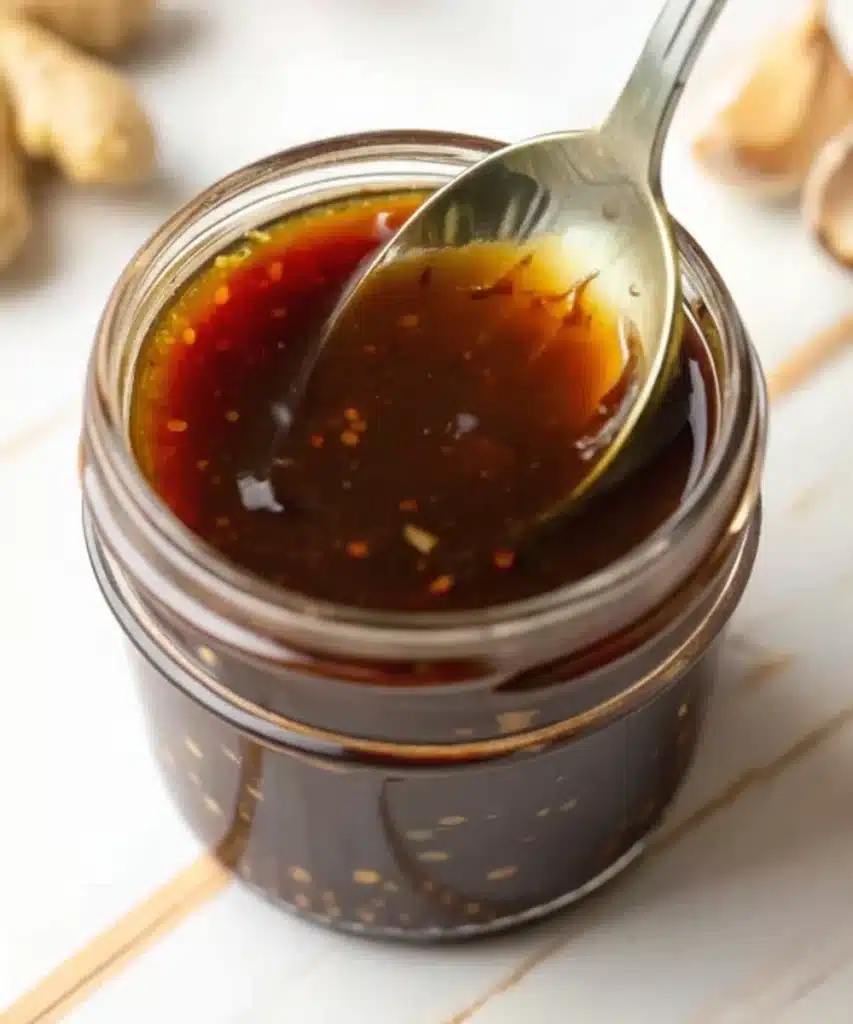
Mastering how to make homemade teriyaki sauce is incredibly easy, but a few simple tricks can elevate your results from good to absolutely fantastic. Enhance your cooking with Sticky Teriyaki Baked Wings that utilize this homemade sauce for an unforgettable meal.
Storage & Reheating Tips
Once you’ve gone through the delightful process of learning how to make homemade teriyaki sauce, you’ll want to ensure it stays fresh and ready for your next culinary adventure. Proper storage makes all the difference.
* Refrigeration: After your homemade teriyaki sauce cools completely, transfer it to an airtight container or a glass jar with a tight-fitting lid. Store it in the refrigerator. It will keep beautifully for up to 2-3 weeks.
The cold temperature helps maintain its freshness and prevents spoilage.
* Freezing: Yes, you can freeze this homemade teriyaki sauce! Pour the cooled sauce into freezer-safe bags or containers.
You can even use ice cube trays for smaller, individual portions, which are perfect for a quick glaze or marinade. Once frozen solid, transfer the cubes to a larger freezer bag. It will last for up to 3 months in the freezer.
* Thawing: To thaw frozen teriyaki sauce, simply transfer it to the refrigerator overnight. For quicker thawing, you can place the container in a bowl of cold water.
* Reheating (and Re-thickening): When you’re ready to use refrigerated sauce, you can warm it gently on the stovetop over low heat or in the microwave.
If the sauce has thickened too much in the fridge (which sometimes happens with cornstarch-based sauces), you can thin it out slightly by whisking in a tablespoon or two of hot water or broth until it reaches your desired consistency. If it’s too thin after thawing or reheating, you can always make a small cornstarch slurry (1 tsp cornstarch + 2 tsp cold water) and whisk it into the gently simmering sauce until it thickens.
What to Serve With This Recipe
The beauty of knowing how to make homemade teriyaki sauce lies in its incredible versatility. This luscious sauce can elevate a simple meal into something truly special. Here are some of my favorite ways to enjoy this delicious creation:
* Chicken Teriyaki: This is a classic for a reason! Marinate chicken thighs or breasts in the sauce for at least 30 minutes (or up to 4 hours), then grill, bake, or pan-fry them. Brush with extra sauce during cooking for a beautiful glaze.
Serve over fluffy white rice with steamed broccoli.
* Salmon or Fish: Teriyaki salmon is another absolute winner. Brush the sauce over salmon fillets before baking or broiling.
The sweet and savory notes pair perfectly with the richness of the fish.
* Stir-Fries: Use your homemade teriyaki sauce as the star of your next vegetable and protein stir-fry. Sauté your favorite veggies (bell peppers, snap peas, carrots, mushrooms) and protein (tofu, shrimp, beef, chicken), then toss generously with the warm sauce.
* Rice Bowls: Create vibrant and satisfying teriyaki rice bowls. Start with a base of rice, add your choice of cooked protein (chicken, beef, tofu), loads of fresh or roasted vegetables, and drizzle generously with the sauce. Garnish with sesame seeds and green onions.
* Marinade for Meats: This sauce makes an incredible marinade for almost any meat. Pork chops, beef skewers, or even lamb can benefit from a soak in this flavorful mixture before grilling or roasting.
* Dipping Sauce: Serve your homemade teriyaki sauce on the side as a dipping sauce for spring rolls, dumplings, chicken nuggets, or even raw vegetables.
* Noodle Dishes: Toss it with udon or ramen noodles, stir-fried vegetables, and a protein for a quick and flavorful noodle bowl.
* Burgers or Sandwiches: Brush grilled chicken or beef patties with teriyaki sauce for a flavorful twist on your next burger.
The beauty of knowing how to make homemade teriyaki sauce lies in its incredible versatility. For a delicious side dish, pair your sauce with Chicken Patties that complements your teriyaki dishes perfectly.
FAQs
As a passionate food blogger, I get lots of questions about various recipes, and learning how to make homemade teriyaki sauce is no exception! Here are some of the most common inquiries.
How long does homemade teriyaki sauce last?
Your delicious homemade teriyaki sauce will last in an airtight container in the refrigerator for up to 2-3 weeks. For longer storage, you can freeze it for up to 3 months. Always check for any off-smells or signs of spoilage before consuming.
Can I make teriyaki sauce gluten-free?
Absolutely! To make this homemade teriyaki sauce gluten-free, simply substitute the regular soy sauce with an equal amount of tamari or coconut aminos. Both are excellent gluten-free alternatives that maintain the savory depth of the sauce.
How do I thicken teriyaki sauce if it’s too thin?
If your homemade teriyaki sauce turns out too thin after cooking or reheating, you can easily thicken it. In a small bowl, whisk together 1 teaspoon of cornstarch with 2 teaspoons of cold water to create a slurry. Bring the sauce back to a gentle simmer, then slowly whisk in the cornstarch slurry and continue to cook for another minute or two until it reaches your desired consistency.
What’s the difference between teriyaki sauce and soy sauce?
Soy sauce is a primary ingredient in teriyaki sauce, but they are not the same thing. Soy sauce is a fermented condiment made from soybeans, wheat, salt, and water. Teriyaki sauce is a cooked sauce that uses soy sauce as its base, but also includes other ingredients like sugar (brown sugar, honey), ginger, garlic, rice vinegar, and a thickening agent like cornstarch, giving it a much richer, sweeter, and more complex flavor profile suitable for glazes and marinades.
Can I freeze homemade teriyaki sauce?
Yes, you can definitely freeze your homemade teriyaki sauce! Once it’s completely cooled, transfer it to freezer-safe containers or heavy-duty freezer bags. You can also freeze it in ice cube trays for convenient smaller portions.
It freezes well for up to 3 months. Just thaw it in the refrigerator overnight before use.
Homemade sauces like teriyaki are an integral part of many cultural cuisines, adding depth and flavor to a variety of dishes. Learning to prepare these sauces from scratch not only enhances your cooking skills but also allows you to tailor flavors to your personal preferences; explore more about various culinary sauces through this link.
Nutrition Information (per serving)
This nutritional information is an estimate based on approximately 16 servings per batch (about 2 tablespoons per serving) and calculated using standard ingredients. It may vary based on specific brands and exact measurements used.
| Nutrient | Amount |
|---|---|
| Calories | 65 kcal |
| Total Fat | 0.5 g |
| Saturated Fat | 0 g |
| Cholesterol | 0 mg |
| Sodium | 450 mg |
| Total Carbohydrates | 15 g |
| Dietary Fiber | 0 g |
| Total Sugars | 13 g |
| Protein | 1 g |
How to Make Homemade Teriyaki Sauce
- Total Time: 15 mins
- Yield: 16 servings 1x
- Diet: Gluten Free (if using tamari or coconut aminos)
Description
This homemade teriyaki sauce is a robust and versatile condiment that elevates any dish with its rich flavors. It is simple to make and uses common pantry ingredients, making it an excellent choice for enhancing weeknight meals.
Ingredients
1 cup Low-Sodium Soy Sauce
½ cup Water
½ cup Light Brown Sugar
¼ cup Honey or Maple Syrup
2 tablespoons Fresh Ginger, grated
4 cloves Garlic, minced
2 tablespoons Cornstarch
4 tablespoons Cold Water (for cornstarch slurry)
1 tablespoon Rice Vinegar
1 teaspoon Sesame Oil
Instructions
- Prepare the Aromatics: Grate the fresh ginger and mince the garlic
- Combine Liquid Ingredients: In a medium saucepan, combine low-sodium soy sauce, water, brown sugar, honey, ginger, and garlic. Whisk till the sugar dissolves
- Create the Cornstarch Slurry: Mix cornstarch with cold water in a small bowl until smooth
- Heat and Thicken: Over medium heat, bring the sauce to a gentle simmer. Slowly add the cornstarch slurry while whisking continuously
- Simmer to Desired Consistency: Keep whisking for 2-3 minutes until thickened to your liking
- Add Finishing Touches: Stir in rice vinegar and sesame oil
- Cool and Store: Let the sauce cool before transferring to an airtight container
Notes
For gluten-free, use tamari or coconut aminos instead of soy sauce.
Adjust sweetness to taste using honey or maple syrup.
Store in the refrigerator for up to 2-3 weeks.
- Prep Time: 10 mins
- Cook Time: 5 mins
- Category: Condiment
- Method: Sauce Making
- Cuisine: Japanese
Nutrition
- Serving Size: 2 tablespoons
- Calories: 65 kcal
- Sugar: 13 g
- Sodium: 450 mg
- Fat: 0.5 g
- Saturated Fat: 0 g
- Unsaturated Fat: 0 g
- Trans Fat: 0 g
- Carbohydrates: 15 g
- Fiber: 0 g
- Protein: 1 g
- Cholesterol: 0 mg