
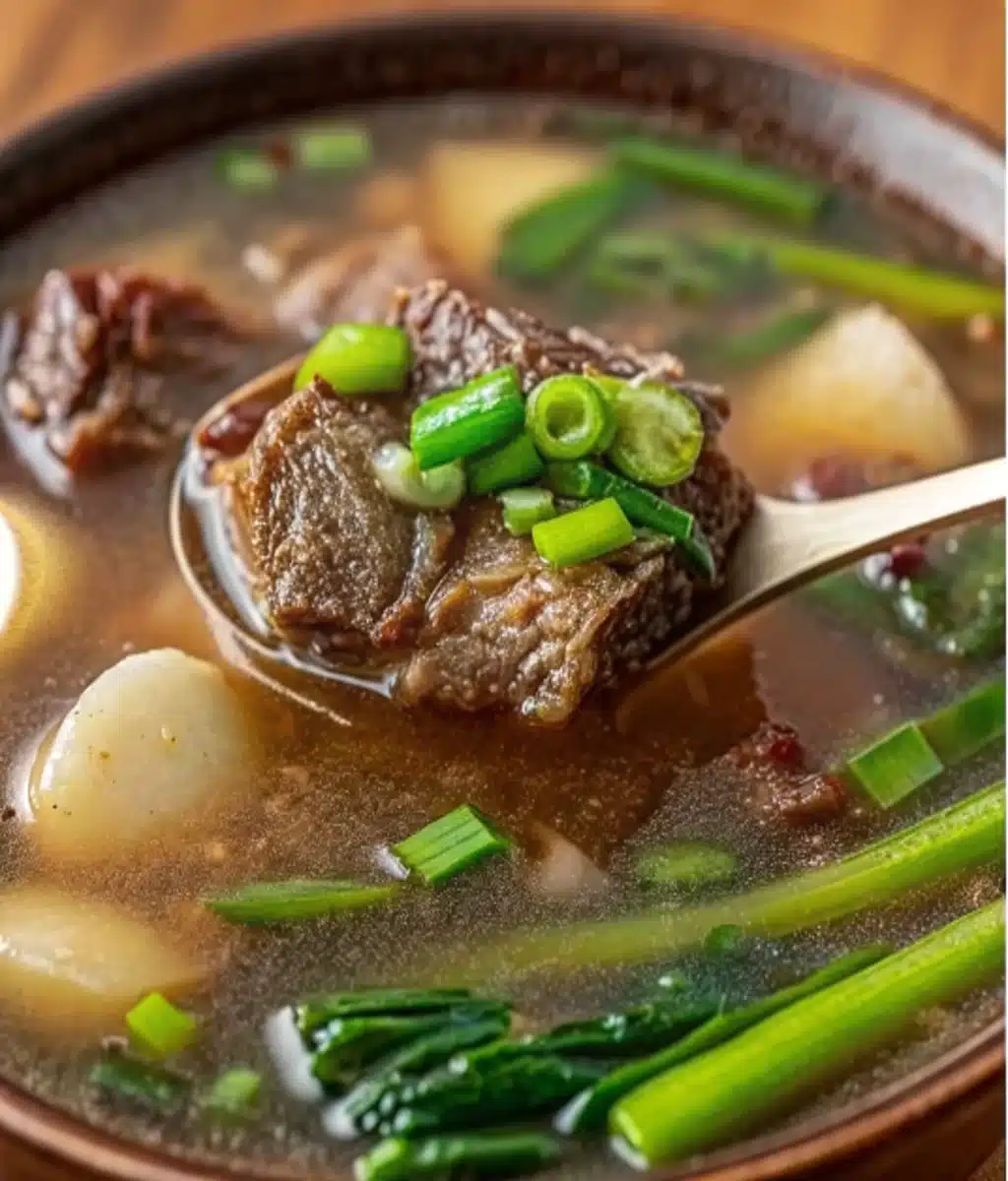
It was a particularly blustery winter evening, the kind where the wind howled like a hungry wolf outside our windows, and the thought of stepping out was simply unthinkable. My family was huddled together, complaining of the chill seeping into their bones, and frankly, my own stomach was rumbling for something deeply comforting. I craved a meal that would not only warm us from the inside out but also fill the house with irresistible aromas.
That’s when the inspiration struck me: a hearty, soul-satisfving soup, bursting with complex flavors and warming spices. After a little experimentation and some tweaks, I perfected what quickly became a staple in our household – this incredible Tasty Korean Winter Soup. This soup isn’t just a recipe; it’s a bowl of warmth, a hug on a cold day, a reminder of the simple joys of a home-cooked meal shared with loved ones.
It instantly transports you to a cozy place, even when the snow is piling up outside. My family now asks for this Tasty Korean Winter Soup every time the temperatures drop, and I’m so excited to share this cherished recipe with you.
### Why You’ll Love This Tasty Korean Winter Soup Recipe
This isn’t just any soup; this is *the* soup you’ll crave all winter long. You’ll absolutely adore this Tasty Korean Winter Soup for so many reasons, it’s hard to list them all! First and foremost, its rich, savory broth, infused with the perfect balance of spicy gochujang and tangy kimchi, creates an explosion of flavor with every spoonful.
It’s truly a heartwarming Korean soup experience. This recipe is also incredibly satisfying, packed with tender beef, silken tofu, and an array of vibrant vegetables that make it a complete meal in itself. It’s the perfect antidote to chilly weather, providing deep warmth and comfort that penetrates straight to your soul.
Furthermore, while the flavors are complex and deep, the cooking process remains surprisingly straightforward. I’ve developed this recipe to be approachable for home cooks of all skill levels, meaning you can enjoy an authentic and delicious Korean comfort soup without spending hours in the kitchen. This makes it an ideal weeknight dinner solution or a fantastic option for a cozy weekend gathering.
Many people search for a healthy Korean soup, and this one delivers, offering wholesome ingredients and incredible taste. Plus, it’s highly customizable, allowing you to tweak it to your family’s preferences. Get ready to discover your new favorite Tasty Korean Winter Soup!
Ingredients You’ll Need
Crafting this incredibly Tasty Korean Winter Soup begins with selecting the freshest, highest quality ingredients. Each component plays a vital role in building the layers of flavor that make this traditional Korean winter soup so special. I always recommend gathering everything before you start cooking, making the entire process smoother and more enjoyable. This meticulous preparation ensures your winter soup turns out perfectly every time.
* For the Soup Base:
* 2 tablespoons neutral oil (such as vegetable or canola oil)
* 1 pound beef stew meat, cut into 1-inch cubes (chuck roast works beautifully for tenderness)
* 1 large yellow onion, thinly sliced
* 6 cloves garlic, minced
* 1-inch piece fresh ginger, grated
* 6 cups beef broth (low sodium preferred)
* 1 cup aged kimchi, roughly chopped (with 1/4 cup kimchi juice reserved)
* 3 tablespoons gochujang (Korean chili paste)
* 1 tablespoon gochugaru (Korean chili flakes), adjust to taste for spiciness
* 2 tablespoons soy sauce (low sodium)
* 1 tablespoon mirin (rice cooking wine)
* 1 teaspoon sesame oil
* For the Fillings:
* 1 block (14-ounce) firm or extra-firm tofu, drained and cut into 1-inch cubes
* 1 cup fresh shiitake mushrooms, sliced (stems removed)
* 1 cup enoki mushrooms, root end trimmed
* 1 large zucchini, halved lengthwise and sliced into 1/2-inch crescent moons
* 2 cups fresh spinach or bok choy, roughly chopped
* 2 large scallions, thinly sliced (for garnish)
* Cooked short-grain rice, for serving
Step-by-Step Instructions
Making this delicious Tasty Korean Winter Soup is a straightforward process, even though it results in incredibly complex flavors. Follow these steps carefully, and you’ll create a truly unforgettable meal. This traditional Korean winter soup will become your go-to recipe.
1. Prepare the Beef: Pat the beef stew meat dry with paper towels. Season it generously with salt and black pepper.
This step enhances the flavor of your heartwarming Korean soup right from the start.
2. Sear the Beef: Heat the neutral oil in a large pot or Dutch oven over medium-high heat.
Once hot, add the seasoned beef in a single layer, working in batches if necessary to avoid overcrowding. Sear the beef until deeply browned on all sides, about 3-4 minutes per side. Browning creates a rich depth of flavor for your easy Korean soup.
Remove the browned beef from the pot and set aside.
3. Sauté Aromatics: Reduce the heat to medium.
Add the sliced onion to the pot and cook, stirring occasionally, until softened and translucent, about 5-7 minutes. Next, add the minced garlic and grated ginger. Sauté for another minute until fragrant, being careful not to burn the garlic.
The aromas filling your kitchen are the first sign of a truly wholesome Korean soup.
4. Build the Flavor Base: Stir in the chopped kimchi and the reserved kimchi juice.
Cook for 2-3 minutes, stirring, allowing the kimchi to release its wonderful tangy flavor. Then, add the gochujang, gochugaru, soy sauce, and mirin. Stir well to combine everything, cooking for another minute to bloom the spices.
This crucial step develops the signature taste of your savory winter soup.
5. Simmer the Soup: Return the seared beef to the pot.
Pour in the beef broth. Bring the mixture to a boil, then immediately reduce the heat to low, cover the pot, and simmer for at least 1.5 to 2 hours, or until the beef is fork-tender. This slow simmer is key to a best Korean winter soup.
The longer it simmers, the more the flavors meld and deepen.
6. Add Remaining Ingredients: Once the beef is tender, add the tofu cubes, sliced shiitake mushrooms, enoki mushrooms, and sliced zucchini to the pot.
Stir gently. Continue to simmer for another 10-15 minutes, or until the vegetables are tender-crisp and the tofu is heated through.
7. Finish with Greens and Sesame Oil: Stir in the fresh spinach or bok choy during the last 2 minutes of cooking. Cook just until the greens wilt. Remove the pot from the heat and stir in the sesame oil.
This final touch adds a fragrant, nutty aroma to your Tasty Korean Winter Soup.
8. Serve: Ladle the hot Tasty Korean Winter Soup into bowls.
Garnish generously with thinly sliced scallions. Serve immediately with a side of steamed short-grain rice. Enjoy this comforting and flavorful dish!
Pro Tips for Success
Achieving the perfect Tasty Korean Winter Soup goes beyond just following the steps; it involves understanding a few key techniques and considerations that elevate the flavors and textures. These professional tips ensure your hearty Korean soup is truly exceptional every single time.
* Don’t Skip Browning the Beef: This is arguably the most crucial step for a rich, flavorful broth. Searing the beef creates a fond (the browned bits at the bottom of the pot) which, when deglazed, adds incredible depth and umami to the entire soup. Don’t overcrowd the pan; sear in batches to ensure a proper crust forms.
This foundational step makes your easy Korean soup sing.
* Quality Kimchi Matters: The kimchi is a star ingredient in this traditional Korean winter soup. Use aged kimchi (fermented for a longer period) for a deeper, tangier, and more complex flavor.
Newer kimchi will work but might not yield the same intense flavor profile. Don’t discard the kimchi juice; it’s a concentrated burst of flavor.
* Balance the Spice: Taste your gochujang and gochugaru before adding them.
Different brands and batches can vary significantly in their heat levels. Start with the recommended amount, then taste and adjust. You can always add more spice but cannot easily remove it.
This ensures your wholesome Korean soup hits the right notes for your palate.
* Gentle Tofu Handling: Tofu can be delicate, especially firm or silken varieties. Drain it well before cubing, and add it gently to the simmering soup towards the end of cooking.
Avoid vigorous stirring once the tofu is in to prevent it from breaking apart.
* The Power of Simmering: Allow the beef to simmer for the full recommended time, or even longer if you have it. Low and slow cooking not only makes the beef incredibly tender but also allows all the robust flavors to meld and deepen, creating a truly rich and savory winter soup.
* Freshness is Key for Garnish: Don’t underestimate the power of fresh scallions. They add a vibrant color, a crisp texture, and a mild oniony bite that brightens up each bowl of this best Korean winter soup. A drizzle of extra sesame oil right before serving also enhances the aroma.
* Adjust Seasoning at the End: Different brands of broth, kimchi, and soy sauce have varying sodium levels. Always taste your Tasty Korean Winter Soup just before serving and adjust salt if needed. Sometimes, a tiny pinch of sugar can also balance the flavors if it tastes too salty or acidic.
Storage & Reheating Tips
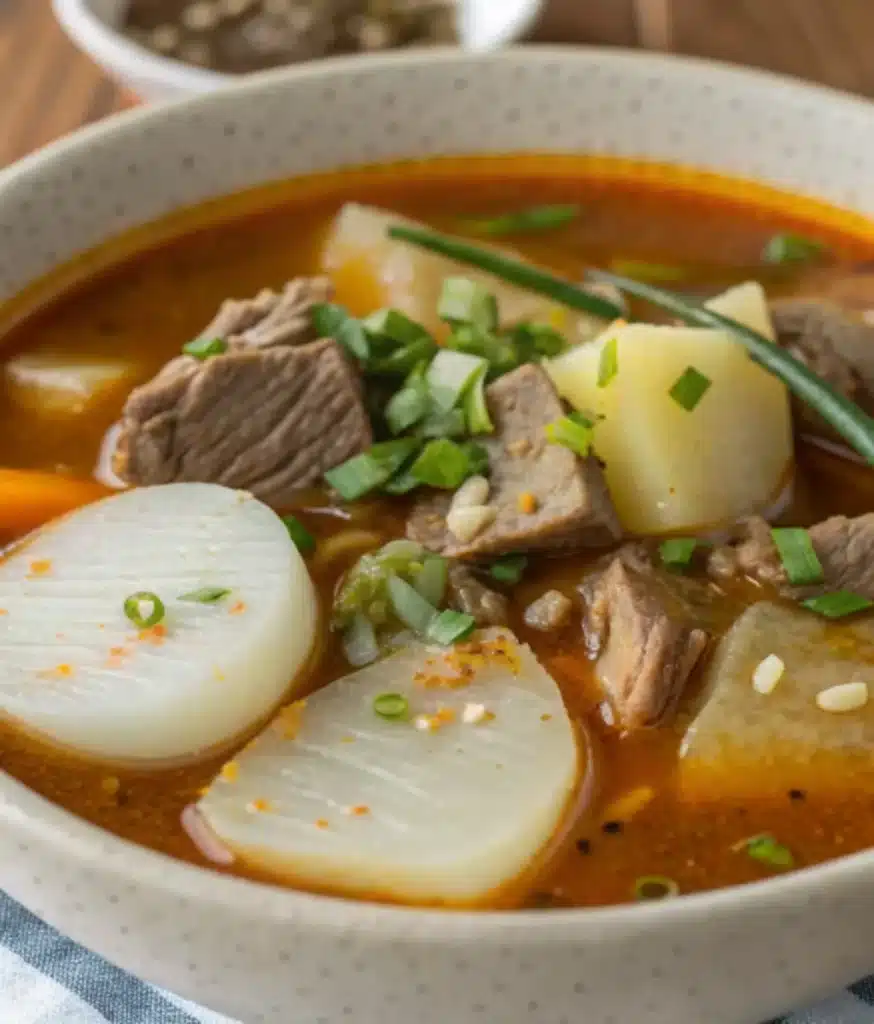
This Tasty Korean Winter Soup tastes even better the next day as the flavors continue to meld and deepen. Proper storage and reheating ensure you can enjoy this comforting meal for days to come. It’s a fantastic make-ahead easy Korean soup.
* Refrigeration: Once your Tasty Korean Winter Soup cools completely, transfer it to airtight containers. It will keep beautifully in the refrigerator for up to 3-4 days. This makes it an ideal meal prep option for busy weeknights, offering a wholesome Korean soup whenever you need it.
* Freezing: This traditional Korean winter soup freezes exceptionally well. Allow the soup to cool entirely before transferring it to freezer-safe bags or containers. Remove as much air as possible to prevent freezer burn.
It can be frozen for up to 2-3 months. When freezing, you might want to consider adding fresh spinach or other delicate greens upon reheating, as they can become mushy after freezing and thawing.
* Reheating:
* From Refrigerator: Gently reheat portions of the Tasty Korean Winter Soup on the stovetop over medium-low heat, stirring occasionally, until it’s simmering and heated through.
You may need to add a splash of beef broth or water if it has thickened too much.
* From Freezer: For best results, thaw the frozen Tasty Korean Winter Soup overnight in the refrigerator. Then, reheat it on the stovetop as described above.
If you’re short on time, you can reheat it directly from frozen in a pot over low heat, stirring frequently and breaking it up as it thaws, adding a little liquid if needed.
* Serving with Rice: Always serve freshly cooked rice with reheated soup. This ensures the best texture and complements the rich flavors of your best Korean winter soup perfectly.
What to Serve With This Tasty Korean Winter Soup Recipe
This flavorful Tasty Korean Winter Soup stands alone as a complete and satisfying meal, a truly heartwarming Korean soup experience. However, pairing it with traditional Korean side dishes, known as banchan, can elevate your dining experience and add an extra layer of authenticity and enjoyment.
* Steamed Short-Grain Rice: This is an absolute must! A bowl of freshly cooked, fluffy short-grain rice perfectly balances the rich, savory, and spicy flavors of the Tasty Korean Winter Soup. It’s essential for soaking up all that delicious broth.
* Extra Kimchi: You can never have too much kimchi! Serve a small bowl of fresh, un-cooked kimchi alongside the soup. Its crisp texture and vibrant tang provide a wonderful contrast to the cooked kimchi in the soup.
* Quick Cucumber Salad (Oi Muchim): A simple Korean cucumber salad, seasoned with a touch of gochugaru, garlic, soy sauce, and sesame oil, offers a refreshing, crunchy counterpoint to the deep flavors of the soup. It’s a light and zesty addition to your wholesome Korean soup meal.
* Blanched Spinach (Sigeumchi Namul): Lightly seasoned blanched spinach with garlic, sesame oil, and a pinch of salt provides a delicate, earthy side that complements the robust soup without overpowering it.
This adds more greens to your best Korean winter soup meal.
* Seasoned Seaweed (Gim): Roasted and seasoned seaweed sheets are a popular and simple side dish. Their salty, umami crunch makes an excellent companion to any Korean comfort soup.
* Pickled Radish (Danmuji): Bright yellow, sweet, and tangy pickled daikon radish slices offer a delightful palate cleanser between spoonfuls of the savory winter soup.
* Korean Fried Eggs: For an extra protein boost and a slightly different texture, a simple fried egg (sunny-side up or over easy) served on top of the rice or directly in the soup adds another dimension to this fantastic easy Korean soup.
FAQs
How spicy is this Tasty Korean Winter Soup?
This recipe for Tasty Korean Winter Soup provides a medium level of spice, using both gochujang (Korean chili paste) and gochugaru (Korean chili flakes). Gochujang offers a fermented, savory heat, while gochugaru brings a clean, direct spice.
You can easily adjust the heat. For less spice, reduce the amount of gochugaru or omit it entirely. For more heat, add an extra tablespoon or two of gochugaru or even some fresh sliced red chili peppers during cooking.
Can I make this Tasty Korean Winter Soup vegetarian or vegan?
Absolutely! This wholesome Korean soup is highly adaptable.
To make it vegetarian, simply omit the beef stew meat. Increase the amount of mushrooms (shiitake, enoki, or oyster mushrooms work well) and consider adding a can of drained and rinsed chickpeas or lentils for extra protein and heartiness. Ensure you use vegetable broth instead of beef broth. For a vegan version of this traditional Korean winter soup, also ensure your kimchi is vegan (some brands use fish sauce; look for vegan-certified options).
What kind of kimchi should I use for this heartwarming Korean soup?
For the best flavor in this Tasty Korean Winter Soup, use aged, fermented napa cabbage kimchi. Older kimchi has a deeper, tangier, and more complex flavor profile, which is perfect for cooking and contributes significantly to the savory winter soup base.
Fresh, unfermented kimchi will still work, but the depth of flavor might be less intense. Don’t forget to reserve some kimchi juice; it’s packed with flavor!
Can I make this Easy Korean Soup ahead of time?
Yes, this Tasty Korean Winter Soup is an excellent make-ahead dish. The flavors actually deepen and meld even more after a day or two in the refrigerator, making it taste even better.
Prepare the entire soup as instructed, let it cool completely, and then store it in an airtight container in the refrigerator for up to 3-4 days. When reheating, you might need to add a splash of broth or water if the soup has thickened. This makes for a great Korean comfort soup for meal prepping.
Why is my beef not tender in my Best Korean Winter Soup?
If your beef in this Tasty Korean Winter Soup isn’t tender, it likely needs more simmering time. Beef stew meat requires a low and slow cook to break down its tough fibers and become melt-in-your-mouth tender.
Ensure you’re simmering the soup, not boiling it vigorously, and allow at least 1.5 to 2 hours, or even longer, covered on low heat. If it’s still tough, just keep simmering; it will eventually get there! Patience is key for a truly best Korean winter soup.
Nutrition Information (per serving)
*Please note: Nutrition information is an estimate and can vary based on specific ingredient brands and preparation methods.*
| Nutrient | Amount (approx.) |
|---|---|
| Calories | 380 kcal |
| Protein | 35g |
| Fat | 18g |
| Saturated Fat | 6g |
| Carbohydrates | 20g |
| Fiber | 5g |
| Sugars | 7g |
| Sodium | 1200mg |
| Cholesterol | 70mg |
Tasty Korean Winter Soup
- Total Time: 140 mins
- Yield: 4 servings 1x
- Diet: Gluten Free
Description
This Tasty Korean Winter Soup is a heartwarming dish packed with savory flavors, perfect for a cozy winter evening. It features tender beef, silken tofu, and an array of vibrant vegetables, creating a deliciously rich and satisfying meal that will warm you from the inside out.
Ingredients
2 tablespoons Neutral Oil
1 pound Beef Stew Meat, cut into 1-inch cubes
1 large Yellow Onion, thinly sliced
6 cloves Garlic, minced
1-inch piece Fresh Ginger, grated
6 cups Beef Broth, low sodium preferred
1 cup Aged Kimchi, roughly chopped
3 tablespoons Gochujang, Korean chili paste
1 tablespoon Gochugaru, Korean chili flakes
2 tablespoons Soy Sauce, low sodium
1 tablespoon Mirin, rice cooking wine
1 teaspoon Sesame Oil
1 block (14-ounce) Firm Tofu, drained and cut into 1-inch cubes
1 cup Fresh Shiitake Mushrooms, sliced
1 cup Enoki Mushrooms, root end trimmed
1 large Zucchini, halved lengthwise and sliced into 1/2-inch crescents
2 cups Fresh Spinach or Bok Choy, roughly chopped
2 large Scallions, thinly sliced, for garnish
Cooked Short-Grain Rice, for serving
Instructions
- Prepare the Beef: Pat the beef stew meat dry with paper towels. Season it generously with salt and black pepper
- Sear the Beef: Heat the neutral oil in a large pot or Dutch oven over medium-high heat. Add the seasoned beef in a single layer and sear until browned, about 3-4 minutes per side. Remove and set aside
- Sauté Aromatics: Reduce heat to medium. Add onion and cook until softened, about 5-7 minutes. Add garlic and ginger, and sauté for another minute
- Build the Flavor Base: Stir in kimchi and reserved kimchi juice, cooking for 2-3 minutes. Add gochujang, gochugaru, soy sauce, and mirin. Stir well to combine
- Simmer the Soup: Return beef to the pot and pour in the beef broth. Bring to a boil, then reduce heat to low and simmer for 1.5 to 2 hours until beef is tender
- Add Remaining Ingredients: Once beef is tender, add tofu, shiitake mushrooms, enoki mushrooms, and zucchini. Simmer for another 10-15 minutes
- Finish with Greens and Sesame Oil: Stir in spinach or bok choy just until wilted. Remove from heat and stir in sesame oil
- Serve: Ladle soup into bowls and garnish with scallions. Serve with short-grain rice
Notes
For a vegetarian version, omit beef and increase mushrooms, using vegetable broth.
- Prep Time: 20 mins
- Cook Time: 120 mins
- Category: Dinner
- Method: Simmering
- Cuisine: Korean
Nutrition
- Serving Size: 1 bowl
- Calories: 380 kcal
- Sugar: 7g
- Sodium: 1200mg
- Fat: 18g
- Saturated Fat: 6g
- Unsaturated Fat: 12g
- Trans Fat: 0g
- Carbohydrates: 20g
- Fiber: 5g
- Protein: 35g
- Cholesterol: 70mg
As we delve into the preparation of our heartwarming soup, it’s essential to explore the rich culinary traditions that influence Korean cuisine. By understanding these traditions, you can appreciate each ingredient’s significance in this delicious recipe.
Korean cuisine is renowned for its variety and depth of flavors, often featuring staple dishes that provide comfort and warmth. One such dish, the Korean winter soup, plays a vital role in many homes during the colder months, serving as a reminder of the heartwarming nature of communal meals; you can learn more about these delicious cultural practices in this article.