
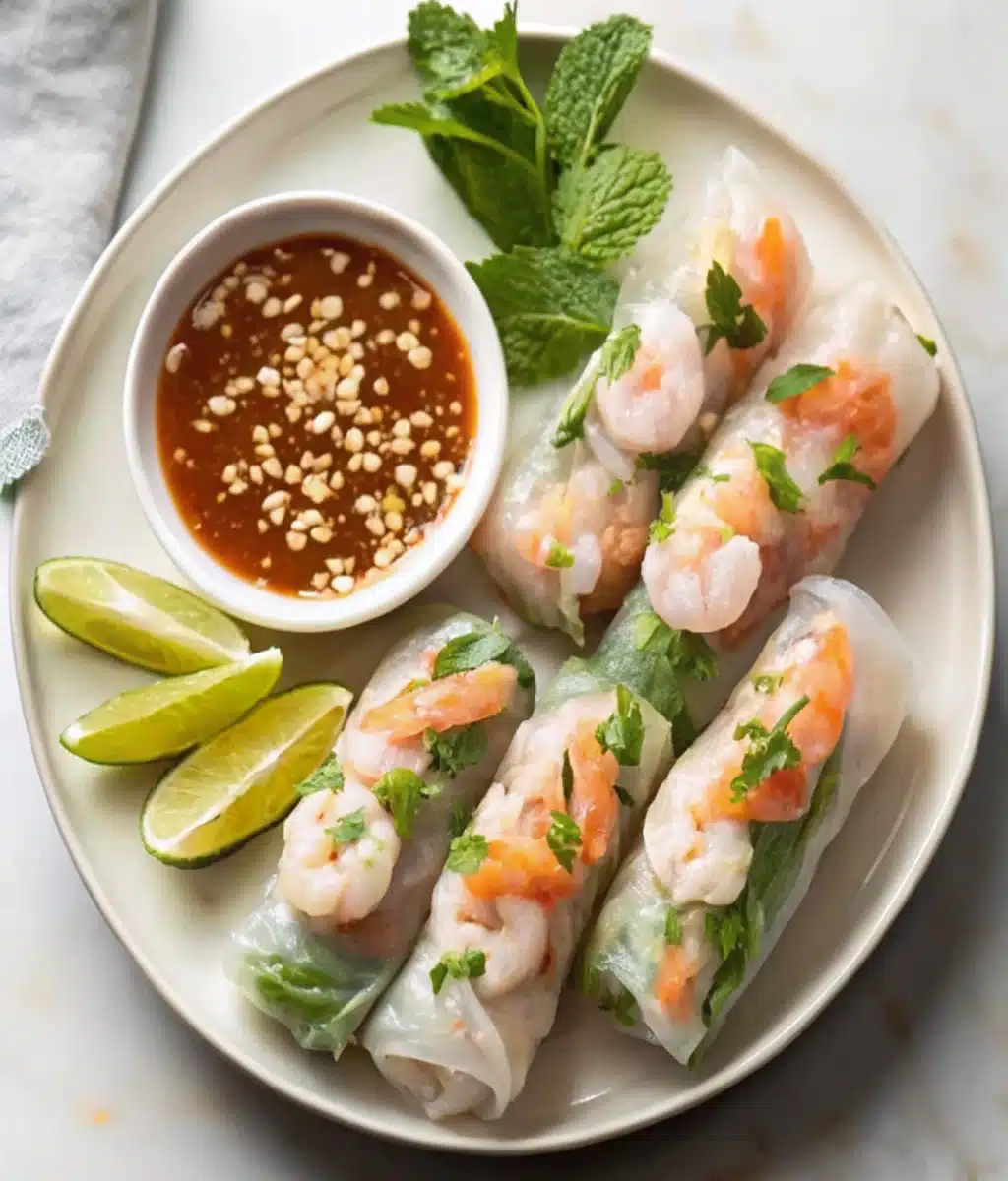
There’s a special magic that happens in my kitchen when the kids gather around, eager to help. For me, food isn’t just fuel; it’s a language of love, a way to connect and nourish my family. That’s exactly how I feel about Fresh Vietnamese Spring Rolls.
I remember the first time I tried them, years ago, at a small, bustling Vietnamese restaurant. The explosion of fresh flavors – vibrant herbs, crisp vegetables, succulent shrimp – wrapped in that delicate rice paper, felt like a revelation. It was light, satisfying, and utterly delicious.
I knew right then I had to bring that joy home. Making these Fresh Vietnamese Spring Rolls quickly became a family favorite, a hands-on activity where everyone can customize their rolls. It’s simple, it’s wholesome, and it brings us together.
If you’re looking for a recipe that’s as fun to make as it is to eat, and truly nourishes your body, then these homemade Fresh Vietnamese Spring Rolls are calling your name. Get ready to roll some culinary masterpieces!
Why You’ll Love This Recipe
As a mom of three, I’m always on the hunt for meals that are not only delicious but also easy to prepare and packed with goodness. These Fresh Vietnamese Spring Rolls tick all those boxes and more. You’ll love them because they’re incredibly light and refreshing, a perfect antidote to heavy meals.
They’re customizable too – a fantastic way to use up whatever fresh veggies you have on hand. Plus, rolling these spring rolls is such a fun, interactive activity for the whole family, encouraging even the pickiest eaters to try new things. Best of all, they’re bursting with vibrant flavors and wholesome ingredients, making them a truly nourishing choice.
Forget takeout; you can make these beautiful Fresh Vietnamese Spring Rolls right in your own kitchen, faster than delivery! These delightful summer rolls are a vibrant addition to any meal plan.
Ingredients You’ll Need
Creating these delectable Fresh Vietnamese Spring Rolls requires a handful of fresh, simple ingredients. Gather these items and get ready to assemble your culinary works of art!
For the Spring Rolls:
- 12 sheets round or square rice paper wrappers (8.5-inch diameter)
- 8 ounces medium shrimp, cooked, peeled, and deveined (or cooked chicken breast, thinly sliced, or firm tofu, pressed and pan-fried)
- 4 ounces rice vermicelli noodles, cooked according to package directions and rinsed with cold water
- 1 head butter lettuce or green leaf lettuce, washed and torn into smaller pieces
- 1 medium cucumber, julienned into thin strips
- 2 medium carrots, julienned into thin strips
- 1 cup fresh mint leaves
- 1 cup fresh cilantro leaves
- 1 cup fresh basil leaves (Thai basil preferred, if available)
For the Creamy Peanut Dipping Sauce:
- ½ cup creamy peanut butter
- 2 tablespoons hoisin sauce
- 1 tablespoon lime juice (freshly squeezed)
- 1 tablespoon soy sauce (or tamari for gluten-free)
- 1 tablespoon rice vinegar
- 1 tablespoon honey or maple syrup
- 1 teaspoon minced garlic
- ½ teaspoon grated fresh ginger
- ¼ – ½ cup warm water (to thin to desired consistency)
- 1 teaspoon chili garlic sauce (optional, for a little kick)
Substitutions & Variations
One of the best things about Fresh Vietnamese Spring Rolls is their versatility. You can easily adapt them to suit your taste, dietary needs, or whatever you have on hand. Feel free to experiment!
- Protein Power: While shrimp and chicken are classic, you can absolutely use baked or pan-fried tofu for a vegetarian or vegan option. Thinly sliced beef, or even shredded fish, also works wonderfully. Ensure all proteins are fully cooked and cooled before adding them to your fresh spring rolls.
- Vibrant Veggies: Don’t limit yourself to just lettuce, carrots, and cucumber. Try adding red bell pepper strips, avocado slices, bean sprouts, or shredded cabbage. Edamame beans or purple cabbage can also add a nice crunch and color. The more veggies, the more nutritious your Fresh Vietnamese Spring Rolls become!
- Herb Garden: If you’re not a fan of certain herbs, simply omit them or swap them for others. Dill or chives can offer a different flavor profile. The fresh herbs are truly what make these Vietnamese spring rolls sing, so don’t skip them entirely!
- Noodle Nods: While vermicelli is traditional, you could use very thin glass noodles or even skip the noodles altogether for a lower-carb version.
- Sauce Swaps: If peanut allergies are a concern, a traditional Vietnamese nuoc cham (fish sauce-based dipping sauce) is a fantastic alternative. You can also make a simple sweet chili sauce or a soy-ginger dipping sauce. The dipping sauce truly complements the fresh flavors of these spring rolls.
- Spice it Up: For those who love a bit of heat, add extra chili garlic sauce to your peanut sauce, or a few slices of fresh jalapeño directly into your Fresh Vietnamese Spring Rolls.
One of the best things about Fresh Vietnamese Spring Rolls is their versatility. You can also explore how to add depth to your meals with other delicious options like Savory Spinach and Ricotta Rolls.
Step-by-Step Instructions
Making these Fresh Vietnamese Spring Rolls is a wonderfully meditative process. Take your time, enjoy the assembly, and you’ll be rewarded with a beautiful and delicious meal.
- Prepare Your Ingredients: First, ensure all your proteins are cooked and cooled. If using shrimp, boil them briefly until pink, then cool and slice them in half lengthwise. If using chicken, cook and slice it very thinly. For tofu, press out excess water, then slice and pan-fry until golden. Next, cook your vermicelli noodles according to package instructions, then drain, rinse with cold water, and set aside. Finally, wash and pat dry all your vegetables and herbs. Julienne the carrots and cucumber. Tear lettuce into manageable pieces. Have everything neatly arranged on a platter or cutting board for easy access.
- Make the Peanut Dipping Sauce: In a small bowl, whisk together the peanut butter, hoisin sauce, lime juice, soy sauce, rice vinegar, honey, minced garlic, and grated ginger. Gradually add warm water, starting with ¼ cup, and stir until the sauce reaches your desired smooth, dippable consistency. If you want a kick, stir in chili garlic sauce now. Set aside.
- Soften the Rice Paper: Fill a shallow dish, wider than your rice paper wrappers, with warm water. Submerge one rice paper wrapper for about 15-20 seconds, or until it becomes pliable and soft, but not overly limp or sticky. It will continue to soften slightly after you remove it from the water.
- Assemble Your Spring Roll: Carefully lay the softened rice paper wrapper flat on a clean, damp surface (a cutting board or large plate works well).
- First layer: Place 2-3 shrimp halves (cut side up, so they show through the wrapper) or a line of sliced chicken/tofu in the lower-middle section of the wrapper, leaving about an inch from the bottom edge.
- Next layers: Add a small handful of vermicelli noodles, then a piece of lettuce, followed by a small amount of julienned carrots, cucumber, mint, cilantro, and basil. Don’t overfill!
- Roll it Up:
- Gently fold the bottom edge of the rice paper up over the filling, tucking it in tightly.
- Fold in the left and right sides of the wrapper towards the center, creating an envelope shape.
- Starting from the bottom, roll the entire package tightly upwards towards the top edge. Roll it as snugly as you can without tearing the wrapper. This creates a beautiful, compact Fresh Vietnamese Spring Roll.
- Repeat and Serve: Place the finished spring roll on a serving platter. Repeat the process with the remaining wrappers and filling ingredients. Once all your Fresh Vietnamese Spring Rolls are assembled, serve immediately with the creamy peanut dipping sauce. Enjoy your delicious and healthy meal!
Pro Tips for Success
Making these Fresh Vietnamese Spring Rolls is straightforward, but a few insider tricks can elevate your experience and ensure perfectly rolled, delicious results every time.
- Don’t Over-Soak: This is perhaps the most crucial tip! Rice paper wrappers go from firm to perfect to fragile very quickly. Soak each wrapper for just 15-20 seconds. It will feel slightly firm when you remove it, but it continues to soften as you fill it. An over-soaked wrapper will tear easily and become impossibly sticky.
- Damp Work Surface: Use a clean, slightly damp cutting board or a large non-stick plate as your rolling surface. This prevents the delicate rice paper from sticking and tearing.
- Mise en Place is Key: Have all your ingredients prepped, cooked, cooled, and arranged within easy reach before you start rolling. This makes the assembly process smooth and enjoyable, especially when making a batch of Fresh Vietnamese Spring Rolls.
- Don’t Overfill: It’s tempting to pack in as much goodness as possible, but too much filling makes the spring rolls difficult to roll tightly and prone to tearing. Aim for a modest amount of each ingredient.
- Practice Makes Perfect: Your first few Fresh Vietnamese Spring Rolls might not be Pinterest-perfect, and that’s absolutely fine! You’ll quickly get the hang of how much to fill and how tightly to roll.
- Keep Them Separate: Freshly rolled spring rolls can stick to each other. Arrange them on a platter without touching, or place a piece of parchment paper between layers if stacking. This helps maintain the integrity of your beautiful Fresh Vietnamese Spring Rolls.
- Serve Immediately: While you can store them for a short time (see storage tips), these fresh spring rolls are truly best enjoyed right after assembly when the ingredients are at their freshest and the wrappers are perfectly soft.
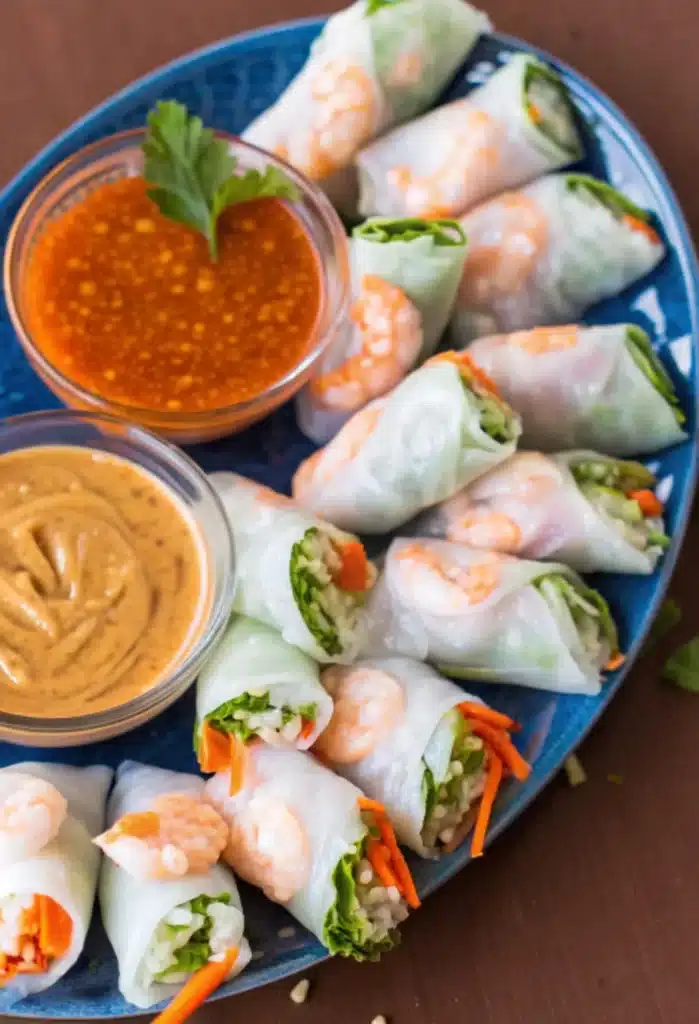
Making these Fresh Vietnamese Spring Rolls is straightforward, but a few insider tricks can elevate your experience. Don’t forget to check out how to prepare a delightful dessert like Best Condensed Milk Cake to round off your meal.
Storage & Reheating Tips
While Fresh Vietnamese Spring Rolls are undeniably best enjoyed immediately after preparation, you can store them for a short period if needed.
- Storing in the Fridge: Place leftover spring rolls in an airtight container. Lay them in a single layer, or separate layers with a piece of parchment paper to prevent sticking. Add a damp paper towel to the container before sealing to help keep the wrappers from drying out. Store in the refrigerator for up to 1-2 days.
- No Reheating: These are “fresh” spring rolls for a reason! Do not attempt to reheat them, as the rice paper will become hard and unappetizing, and the fresh vegetables will lose their crispness. They are meant to be eaten chilled or at room temperature.
- Dipping Sauce Storage: Store the peanut dipping sauce separately in an airtight container in the refrigerator for up to 5-7 days. If it thickens too much when chilled, simply add a splash of warm water and stir before serving.
Remember, the beauty of these Fresh Vietnamese Spring Rolls lies in their fresh textures and vibrant flavors, so enjoy them as soon as possible for the best experience!
What to Serve With This Recipe
Fresh Vietnamese Spring Rolls are often a meal in themselves, especially when paired with their delicious peanut sauce. However, if you’re looking to create a more expansive meal, these light and refreshing rolls complement many other dishes beautifully.
- Another Dipping Sauce: Offer a variety! A classic Vietnamese nuoc cham (fish sauce-based dipping sauce) provides a tangy, savory counterpoint to the rich peanut sauce.
- Pho or Noodle Soup: For a heartier meal, serve your spring rolls alongside a warm bowl of chicken pho or a simple noodle soup. The fresh lightness of the rolls balances the richness of the soup.
- Grilled Skewers: Complement the fresh rolls with some grilled chicken or beef skewers marinated in lemongrass and soy sauce.
- Light Salad: A simple green salad with a citrusy vinaigrette can further enhance the freshness of the meal.
- Crispy Egg Rolls: Offer a contrast in texture with some crispy fried egg rolls or imperial rolls. The difference between fried and fresh spring rolls provides a delightful dining experience.
- Edamame: Steamed edamame sprinkled with sea salt makes for a simple, healthy side dish.
- Rice Pilaf: A light coconut rice or a simple jasmine rice pilaf can also be a good accompaniment, especially if you’re serving the spring rolls as an appetizer.
These Fresh Vietnamese Spring Rolls are incredibly versatile and perfect for a light lunch, a healthy dinner, or a crowd-pleasing appetizer.
Fresh Vietnamese Spring Rolls are often a meal in themselves, especially when paired with their delicious peanut sauce. For a complete dining experience, consider serving them alongside Hot Honey Chicken Wings for an exciting flavor combination.
FAQs
How do I prevent my Fresh Vietnamese Spring Rolls from sticking to each other?
The best way to prevent your Fresh Vietnamese Spring Rolls from sticking is to arrange them on a platter in a single layer, ensuring they don’t touch. If you need to stack them, place a piece of parchment paper or plastic wrap between each layer. Also, ensuring your rolling surface is slightly damp but not soaking wet helps prevent stickiness during assembly.
Can I make Fresh Vietnamese Spring Rolls ahead of time?
You can certainly prepare the components (cook protein, noodles, chop veggies) ahead of time and store them separately in the refrigerator. However, for the very best texture and freshness, it’s highly recommended to assemble the Fresh Vietnamese Spring Rolls right before serving. The rice paper can dry out or become too chewy if made too far in advance. If you must make them a few hours ahead, follow the storage tips mentioned above.
What is the best way to soften rice paper wrappers without tearing them?
Use a shallow dish wider than your rice paper wrapper and fill it with warm (not hot) water. Submerge one wrapper at a time for about 15-20 seconds. It should be pliable but still have a slight firmness.
Remove it and place it on your damp work surface. It will continue to soften as you add the filling. Over-soaking is the most common cause of tearing when making these Fresh Vietnamese Spring Rolls.
Can I make these Fresh Vietnamese Spring Rolls vegetarian or vegan?
Absolutely! These spring rolls are incredibly adaptable. For a vegetarian or vegan version, simply swap the shrimp or chicken for pan-fried or baked tofu, tempeh, or even extra vegetables and avocado.
Ensure your peanut sauce uses maple syrup instead of honey, and that your hoisin and soy sauces are vegan-friendly (most are, but always check labels). These plant-based Fresh Vietnamese Spring Rolls are just as delicious and satisfying!
Fresh Vietnamese Spring Rolls are a popular dish known for their lightness and flavor, typically filled with a myriad of fresh ingredients wrapped in rice paper. These rolls exemplify the essence of Vietnamese cuisine, embodying a healthy balance of taste and nutrition, as discussed in detail in this article on Vietnamese cuisine.
Nutrition Information (per serving)
(Estimates based on 1 of 12 Fresh Vietnamese Spring Rolls with 2 tablespoons peanut sauce)
| Nutrient | Amount |
|---|---|
| Calories | 180-220 kcal |
| Protein | 10-14 g |
| Total Fat | 7-10 g |
| Saturated Fat | 1.5-2 g |
| Carbohydrates | 18-22 g |
| Fiber | 2-3 g |
| Sugars | 5-7 g |
| Sodium | 300-400 mg |

Fresh Vietnamese Spring Rolls
- Total Time: 30 mins
- Yield: 4 servings 1x
- Diet: Gluten Free
Description
Fresh Vietnamese Spring Rolls are a light and refreshing dish that encourages family interaction and allows customization with various fresh ingredients. This recipe features vermicelli noodles, shrimp or tofu, vibrant vegetables, and aromatic herbs wrapped in rice paper, served with a creamy peanut dipping sauce.
Ingredients
12 sheets rice paper wrappers (8.5-inch diameter)
8 ounces medium shrimp, cooked, peeled, and deveined
4 ounces rice vermicelli noodles, cooked and rinsed
1 head butter lettuce, washed and tor
1 medium cucumber, julienned
2 medium carrots, julienned
1 cup fresh mint leaves
1 cup fresh cilantro leaves
1 cup fresh basil leaves
½ cup creamy peanut butter
2 tablespoons hoisin sauce
1 tablespoon lime juice (freshly squeezed)
1 tablespoon soy sauce
1 tablespoon rice vinegar
1 tablespoon honey or maple syrup
1 teaspoon minced garlic
½ teaspoon grated fresh ginger
¼–½ cup warm water
1 teaspoon chili garlic sauce (optional)
Instructions
- Prepare all your ingredients: Cook and cool proteins, cook and rinse noodles, wash and cut vegetables and herbs
- Make the peanut dipping sauce by whisking together the peanut butter, hoisin sauce, lime juice, soy sauce, rice vinegar, honey, minced garlic, and grated ginger. Thin with warm water to desired consistency and add chili garlic sauce if using
- Soften the rice paper by submerging it in warm water for 15-20 seconds until pliable
- Lay the softened wrapper on a damp surface and layer with proteins, noodles, lettuce, veggies, and herbs
- Gently roll up the wrapper, tucking in the filling and folding the sides to create a compact spring roll
- Repeat the process until all ingredients are used. Serve with the peanut dipping sauce
Notes
Don't over-soak the rice paper wrappers to prevent tearing.
Keep spring rolls separate to avoid sticking.
- Prep Time: 20 mins
- Cook Time: 10 mins
- Category: Dinner
- Method: Rolling
- Cuisine: Vietnamese
Nutrition
- Serving Size: 1 spring roll
- Calories: 180-220 kcal
- Sugar: 5-7 g
- Sodium: 300-400 mg
- Fat: 7-10 g
- Saturated Fat: 1.5-2 g
- Unsaturated Fat: 5-8 g
- Trans Fat: 0 g
- Carbohydrates: 18-22 g
- Fiber: 2-3 g
- Protein: 10-14 g
- Cholesterol: 16-22 mg