

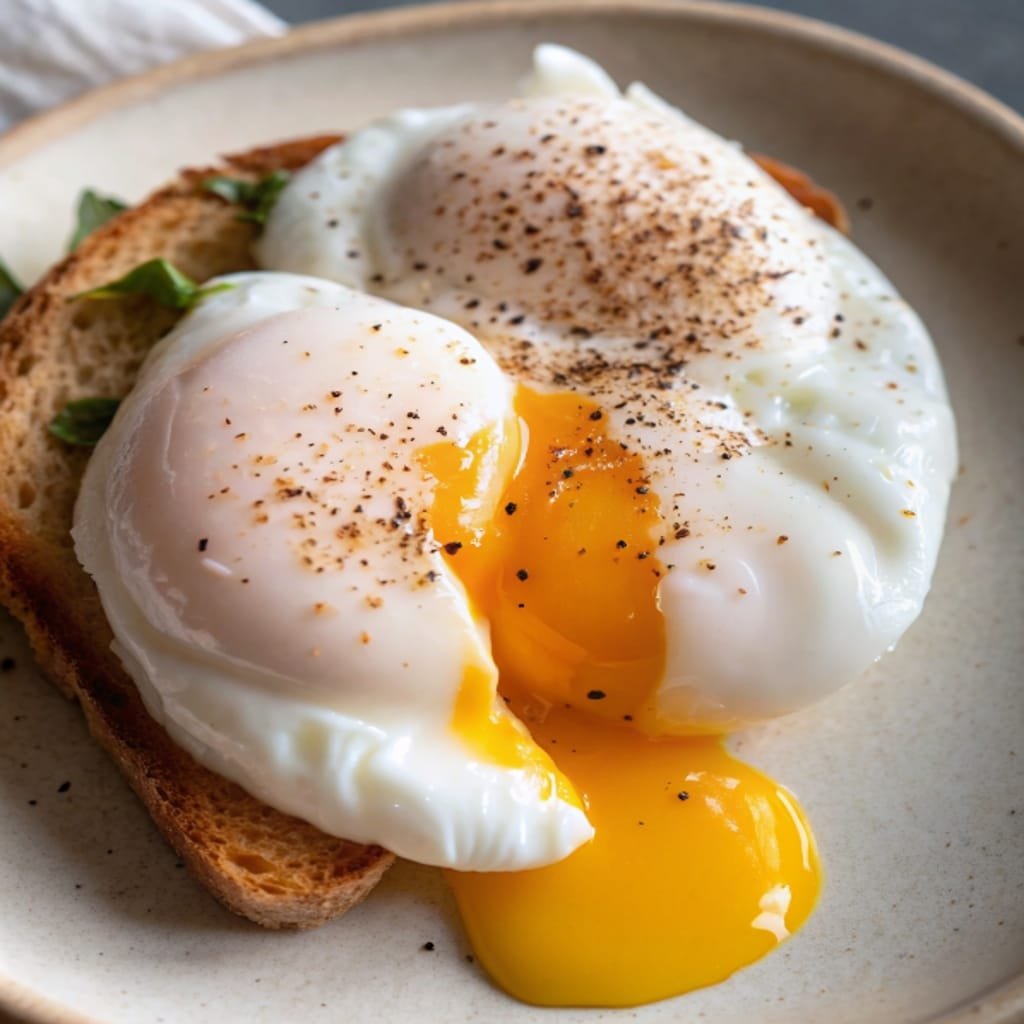
Poached eggs are the epitome of elegant, simple cooking—delicate, creamy yolk nestled in a just-set white. Whether featured atop avocado toast, nestled in a breakfast bowl, or crowning a salad, these gems are versatile and beloved. Learn the secrets of classic poached eggs with this step-by-step guide, SEO-optimized for home cooks at every level.
Why You’ll Love Poached Eggs
Poached eggs are a staple for good reason. Here’s why you’ll be hooked after your first perfect poach:
- Naturally healthy, protein-packed, and low carb
- Velvety yolk makes a luscious sauce for toast, veggies, or grain bowls
- Impresses guests at brunch with minimal effort
- No added oil or fat required
- Quick cook (ready in under 10 minutes)
- Flexible for breakfast, lunch, or dinner
- Works for paleo, Whole30, vegetarian, and gluten-free diets
For more cozy kitchen inspiration, check out the creamy goodness in our Loaded Baked Potato Soup or elevate your morning with a slice of moist and cozy banana nut bread.
Ingredients
- Fresh large eggs (as fresh as possible for best results)
- 1 tablespoon white vinegar (optional, helps whites set)
- 4 cups water
- Pinch of salt (optional, for the poaching water)
- Toast, avocado, cooked veggies, or salad greens for serving
Step-by-Step Instructions
- Fill a saucepan with 3–4 inches of water and bring to a gentle simmer (small bubbles, no rolling boil).
- Add vinegar and salt to the water.
- Crack an egg into a small cup or ramekin.
- Swirl the simmering water with a spoon to create a gentle vortex.
- Carefully slip the egg into the center of the vortex. Let coalesce for 3–4 minutes for a runny yolk, 5 minutes for firmer.
- Use a slotted spoon to lift the egg out. Drain briefly on a paper towel.
- Repeat with additional eggs if desired.
- Serve immediately over toast, greens, or your favorite dish.
Try the same simple steps as an accompaniment to our Gourmet Baked Mac and Cheese for a truly comforting meal.
How to Serve Poached Eggs
Poached eggs shine on more than breakfast plates. Their creamy centers and delicate whites can transform various meals:
- Serve over buttered, rustic toast for a minimalist snack
- Nestle onto steamed or sautéed greens (like spinach or kale) with cracked pepper
- Top grain bowls with roasted sweet potatoes or beans for lunch
- Enhance salads—think classic Niçoise or roasted asparagus and hollandaise
- Crown a bowl of ramen or creamy white chicken chili for rich texture
- Elevate avocado toast with herbs, chili flakes, or feta
Pair poached eggs with sauces like pesto, harissa, or a drizzle of infused oil for layered flavor. Hosting brunch? Build a customizable toast bar with poached eggs, seasonal veggies, and spreads.
How to Store Poached Eggs
While fresh is best, poached eggs can be made ahead:
- After poaching, immediately transfer eggs to a bowl of ice water to stop cooking and keep them from overcooking.
- Store in the fridge, fully submerged in water, for up to 2 days.
- When ready to serve, reheat each egg in simmering water for 30–45 seconds.
- Avoid reheating in a microwave, as it can toughen the whites and cause yolks to explode.
Always keep poached eggs in a sealed container, and change the water daily if storing more than 24 hours for optimal freshness.
Tips to Make Poached Eggs
Achieve perfect poached eggs every time with these expert hints:
- Use the freshest eggs possible; cloudy whites will help them hold together
- Add vinegar to the water to speed up the setting of whites
- Crack eggs into separate cups before adding to water for more control
- Don’t let the water boil vigorously; gentle simmer prevents ragged edges
- Swirl water for a vortex only when poaching one egg at a time; skip for multiple eggs
- Scoop with a slotted spoon and blot gently to remove moisture
- Season only after poaching to avoid breaking the white
Test different cooking times to perfect your ideal yolk-to-white ratio—softer or firmer, it’s all delicious.
Variations of Poached Eggs
Keep poached eggs fresh and exciting with these tasty tweaks:
- Add chopped herbs (chives, dill, parsley) to the water for subtle flavor
- Spice the water with a pinch of smoked paprika or chili flakes
- Serve atop different bases: polenta, rice, sautéed leeks, or roasted squash
- Try eggs en cocotte: poach with a spoonful of cream and cheese in a ramekin, baked in the oven
- Finish with hollandaise, salsa verde, or basil oil
- Use quail eggs or duck eggs for a new twist
- For a full breakfast, add poached eggs to our Roasted Butternut Squash Soup or a hearty grain bowl
Enjoy experimenting with both presentation and flavor to suit every meal.
FAQs
1. Do I need vinegar for poached eggs?
Vinegar helps the egg whites set faster, but it’s optional. Fresh eggs will poach well even without vinegar.
2. How do I keep poached eggs from getting stringy?
Keep water at a gentle simmer—not a rolling boil. Using the freshest eggs possible also helps prevent stringy whites.
3. Can poached eggs be made ahead of time?
Yes—chill eggs in ice water after poaching and store submerged for up to 2 days. Reheat gently in simmering water before serving.
4. Why do my poached eggs always break?
Lower the egg gently into the water and avoid dropping from a height. Swirling the water helps if poaching one egg at a time.
Final Thoughts
Mastering poached eggs is a worthwhile skill—perfect for solo breakfasts or impressing guests at brunch. With minimal ingredients and a few simple tweaks, you’ll enjoy restaurant-quality eggs at home every time. Pair them with favorites like creamy chicken gnocchi soup or explore new combinations; poached eggs are endlessly adaptable. Happy cooking!
Follow me on Pinterest where I share cozy, easy-to-make baking recipes just like this one.
Print
Perfectly Poached Eggs: The Foolproof Guide
- Total Time: 8 minutes
- Yield: 2 eggs 1x
Description
Poached eggs are easy and restaurant-worthy in under 10 minutes! Velvety yolk, creamy white, and endless ways to serve.
Ingredients
- Fresh eggs (as needed)
- 1 tbsp white vinegar (optional)
- 4 cups water
- Pinch of salt (optional)
- Toast, avocado, veggies, or greens for serving
Instructions
1. Bring 3–4 inches water to a gentle simmer in a saucepan.
2. Add vinegar and salt if using.
3. Crack egg into a ramekin.
4. Swirl water for a gentle vortex.
5. Slip egg into water and poach 3–4 min.
6. Lift with slotted spoon and drain briefly on a paper towel.
7. Repeat with more eggs if desired.
8. Serve hot over toast, greens, or your favorite base.
Notes
Use freshest eggs for best results.
Store leftover poached eggs in water, refrigerated up to 2 days.
Reheat gently in simmering water before serving.
No vinegar? Still works if you use very fresh eggs!
Avoid microwaving poached eggs to reheat.
- Prep Time: 3 minutes
- Cook Time: 5 minutes
- Category: Breakfast
- Method: Poach
- Cuisine: American
Nutrition
- Serving Size: 1 egg
- Calories: 70
- Sugar: 0g
- Sodium: 65mg
- Fat: 5g
- Saturated Fat: 1.5g
- Unsaturated Fat: 2g
- Trans Fat: 0g
- Carbohydrates: 1g
- Fiber: 0g
- Protein: 6g
- Cholesterol: 185mg