
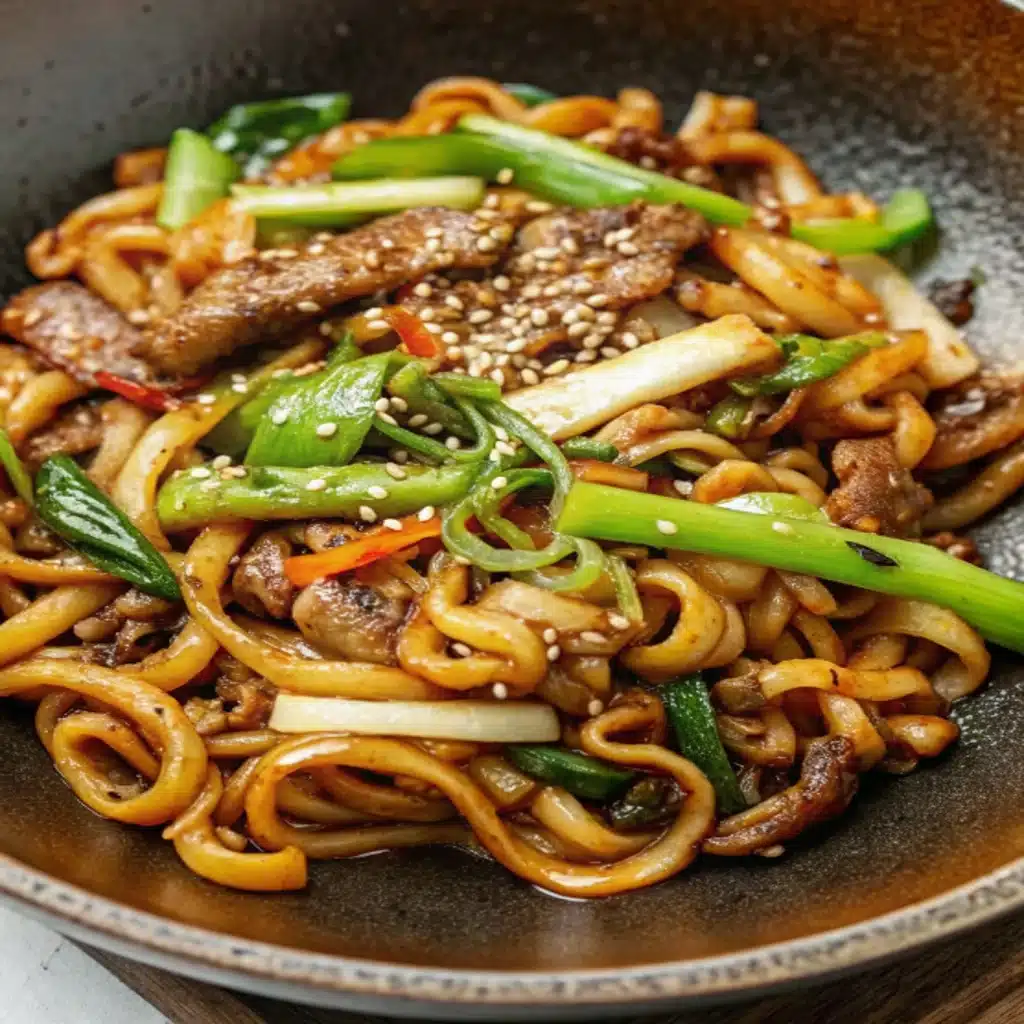
I can still remember the first time I stumbled upon a tiny, bustling Japanese eatery tucked away on a side street. The air was thick with the incredible smell of sizzling soy sauce and garlic. I ordered the one thing everyone seemed to be eating: a steaming plate of thick, chewy noodles glistening in a dark, savory sauce.
It was Yaki Udon, and it was love at first bite. I spent the next few weeks on a mission, testing batch after batch in my own kitchen, determined to recreate that perfect harmony of flavors and textures. I wanted a recipe that was not only authentic-tasting but also quick enough for a hectic weeknight.
This recipe, my friends, is the triumphant result of that quest. It is, without a doubt, the best Yaki Udon I have ever made, and it brings that same restaurant-quality magic right to your home. This easy yaki udon is a staple in my household, and I am so excited to share what makes it the best Yaki Udon recipe you’ll ever need.
Why You’ll Love This Best Yaki Udon Recipe
There are so many reasons to fall head over heels for this incredible Japanese stir-fried noodle dish. It’s more than just a recipe; it’s a solution for busy weeknights, a canvas for your culinary creativity, and a guaranteed crowd-pleaser. Here’s why you’ll agree this is truly the best Yaki Udon recipe:
- Incredibly Fast: From prep to plate, you can have this delicious meal ready in under 30 minutes. It’s the perfect answer to the dreaded “What’s for dinner?” question on a busy evening. A quick yaki udon is a lifesaver.
- Packed with Flavor: The heart of the best Yaki Udon is its sauce. This version boasts a perfectly balanced sauce that’s savory, slightly sweet, and bursting with umami. It coats every single noodle and vegetable, ensuring every bite is sensational.
- Completely Customizable: Think of this recipe as a fantastic template. You can easily swap the chicken for beef, shrimp, or tofu. Don’t have cabbage? Use bok choy or broccoli. This flexibility is part of what makes it such an amazing homemade yaki udon.
- Hearty and Satisfying: Those thick, chewy udon noodles are the star of the show. They have a substantial, wonderfully satisfying bite that, when combined with crisp-tender vegetables and savory protein, creates a truly fulfilling one-pan meal. This is what comfort food is all about and why this is the best Yaki Udon.
- Better Than Takeout: Not only is this recipe faster and more affordable than ordering in, but it’s also fresher and you control the ingredients. You can adjust the sodium, the sweetness, and the spice to make it your personal version of the best Yaki Udon.
Ingredients You’ll Need
Gathering your ingredients, or “mise en place,” is the first step to creating the best Yaki Udon. Having everything prepped and ready to go makes the fast-paced stir-frying process smooth and stress-free.
For the Stir-Fry:
- 14-16 oz frozen or vacuum-packed udon noodles (2 packs)
- 1 lb boneless, skinless chicken breast, thinly sliced
- 1 tbsp sesame oil
- 1 tbsp vegetable oil
- 1 small yellow onion, sliced
- 3 cloves garlic, minced
- 1 tsp fresh ginger, grated
- 1 large carrot, julienned or thinly sliced
- 4-5 shiitake mushrooms, sliced
- ¼ head of Napa cabbage, roughly chopped
- 2 green onions, sliced diagonally, for garnish
- 1 tsp toasted sesame seeds, for garnish
For the Yaki Udon Sauce:
- ¼ cup low-sodium soy sauce
- 2 tbsp mirin (Japanese sweet rice wine)
- 2 tbsp mushroom-flavored oyster sauce (or vegetarian stir-fry sauce)
- 1 tbsp brown sugar, packed
Substitutions & Variations
One of the fantastic things about this easy yaki udon recipe is how adaptable it is. You can easily modify it to suit your taste or use whatever you have in the fridge. Here are a few ideas to make the best Yaki Udon for you:
- Protein Power: Not a fan of chicken? No problem! Thinly sliced beef sirloin or flank steak works beautifully. For a seafood twist, try plump shrimp—just add them in the last few minutes of cooking so they don’t overcook. For a vegetarian or vegan yaki udon, use firm or extra-firm tofu (pressed and cubed) or a cup of edamame.
- Vegetable Swap: Feel free to get creative with the veggies. Sliced bell peppers (any color), broccoli florets, snow peas, bok choy, or zucchini are all excellent additions. Just remember to add harder veggies like broccoli first and quicker-cooking ones like snow peas towards the end.
- Make it Spicy: If you like a bit of heat, add a teaspoon of sriracha, a pinch of red pepper flakes, or a dash of chili garlic sauce to the yaki udon sauce. This simple addition can transform your dish.
- Gluten-Free Option: To make a gluten-free version of this stir-fried udon, substitute the soy sauce with tamari. Ensure your mushroom oyster sauce is certified gluten-free, and swap the udon noodles for thick gluten-free rice noodles. The texture will be different, but it will still be delicious.
Step-by-Step Instructions
Follow these simple steps, and you’ll be serving up the best Yaki Udon in no time. The key is to work quickly once you start cooking!
- Prepare Your Components: This is the most important step for a successful stir-fry. Thinly slice your chicken and vegetables. Mince the garlic and grate the ginger. In a small bowl, whisk together all the sauce ingredients: soy sauce, mirin, mushroom oyster sauce, and brown sugar. Set everything aside within easy reach of your stove. A well-prepped station is the secret to a stress-free cooking process for the best Yaki Udon.
- Cook the Udon Noodles: Cook the udon noodles according to the package instructions. Most frozen varieties only need to be boiled for 1-2 minutes until they separate and are just tender. Drain them immediately and rinse briefly with cold water to stop the cooking process. Set aside. Do not overcook them; they will cook more in the pan.
- Cook the Chicken: Heat the vegetable oil in a large wok or skillet over medium-high heat. Add the thinly sliced chicken in a single layer and cook for 2-3 minutes per side, until golden brown and cooked through. Remove the chicken from the pan and set it aside.
- Sauté the Aromatics and Veggies: Add the sesame oil to the same pan. Add the sliced onion and cook for 2-3 minutes until it starts to soften. Add the minced garlic and grated ginger and cook for another 30 seconds until fragrant. Add the carrots and shiitake mushrooms to the pan and stir-fry for 3-4 minutes until they are crisp-tender.
- Wilt the Cabbage: Add the chopped Napa cabbage to the pan and continue to stir-fry for another 1-2 minutes, just until it begins to wilt. You still want it to have a bit of a crunch.
- Combine Everything: Return the cooked chicken to the pan. Add the drained udon noodles. Pour the prepared yaki udon sauce over everything.
- Toss and Serve: Using tongs, gently toss everything together for 1-2 minutes, ensuring the noodles, chicken, and vegetables are all evenly coated in the glorious sauce. The goal is to heat everything through and let the noodles absorb that fantastic flavor. This final step is what brings the best Yaki Udon recipe to life.
- Garnish and Enjoy: Turn off the heat. Garnish generously with sliced green onions and toasted sesame seeds. Serve this amazing homemade yaki udon immediately while it’s hot and fresh.
Pro Tips for Success
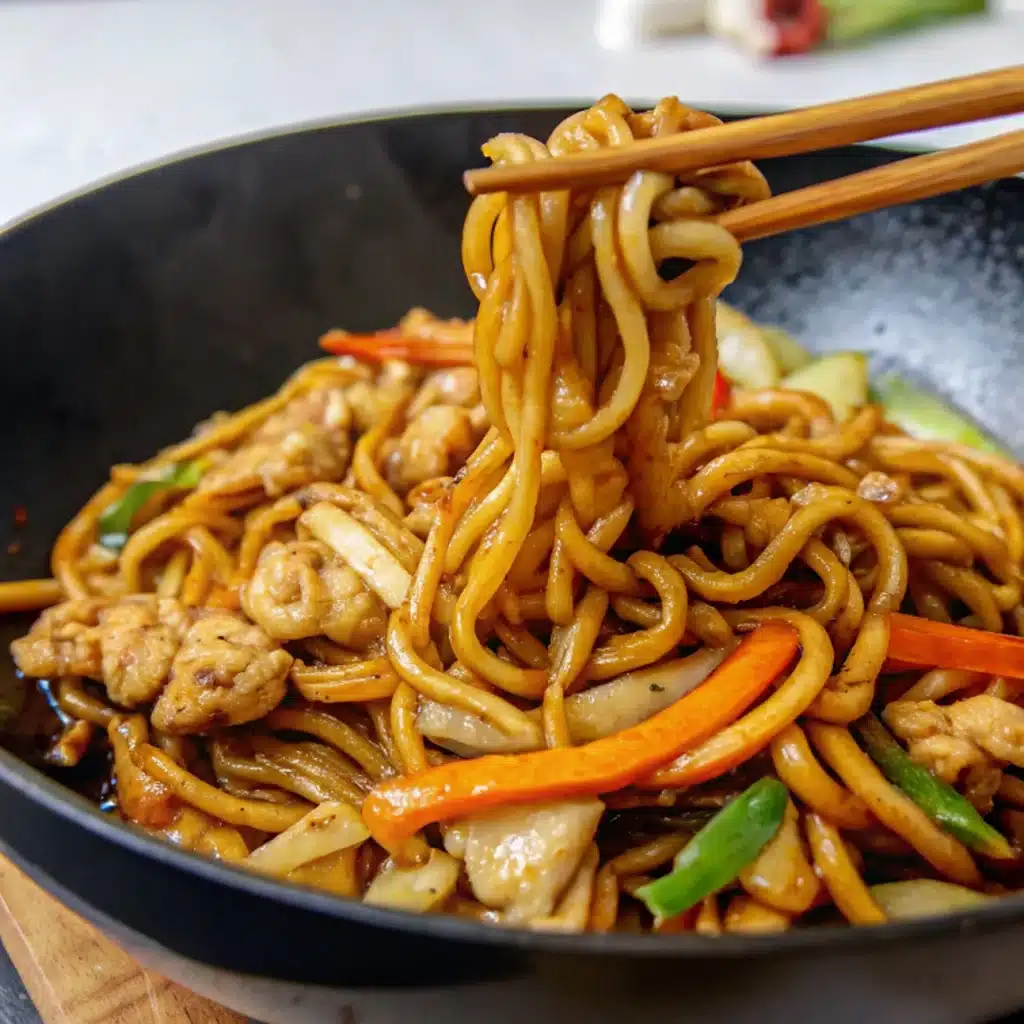
Want to elevate your dish from great to absolutely unforgettable? Follow these pro tips to ensure you make the best Yaki Udon every single time.
- Use Frozen Udon Noodles: While the vacuum-sealed, shelf-stable udon noodles work, the frozen kind (often called “Sanuki” style) has a far superior bouncy, chewy texture. They are a game-changer for creating an authentic-tasting yaki udon.
- High Heat is Key: For a proper stir-fry, you need high heat. This sears the ingredients quickly, locking in flavor and giving them a slight char (known as “wok hei”) without making them soggy. Make sure your pan is nice and hot before you add your ingredients.
- Don’t Crowd the Pan: If you overload your skillet or wok, the ingredients will steam instead of stir-fry. If your pan isn’t large enough, it’s better to cook the chicken and vegetables in batches to ensure everything gets a good sear. This is a crucial tip for achieving the best yaki udon texture.
- Slice Ingredients Thinly and Uniformly: Cutting your chicken and vegetables into similar-sized, thin pieces ensures they cook quickly and evenly. This is especially important in a fast-cooking dish like this easy yaki udon.
- The Sauce is Boss: Don’t be afraid to taste and adjust the sauce before adding it to the pan. If you prefer it sweeter, add a little more brown sugar. If you want more savory depth, a little more soy sauce will do the trick. Customizing the sauce is how you make the best Yaki udon for your palate.
Storage & Reheating Tips
While the best Yaki Udon is undeniably at its peak when served fresh, leftovers are still incredibly delicious. Here’s how to store and reheat it properly:
- Storage: Allow the yaki udon to cool completely before transferring it to an airtight container. It can be stored in the refrigerator for up to 3 days.
- Reheating: The best way to reheat yaki udon is in a skillet or wok over medium heat. Add a splash of water or a teaspoon of oil to the pan to help loosen the noodles and prevent them from sticking. Stir gently until heated through. While you can use a microwave, it can sometimes make the noodles a bit too soft, so the stovetop method is recommended for preserving the texture of this amazing dish.
What to Serve With This Recipe
This chicken yaki udon is a fantastic one-pan meal, but if you want to create a more complete Japanese-inspired feast, here are a few simple and delicious side dishes that pair beautifully:
- Miso Soup: A classic starter that is light, savory, and warms the palate.
- Sunomono (Japanese Cucumber Salad): A refreshing, tangy salad that provides a wonderful contrast to the rich flavors of the yaki udon.
- Steamed Edamame: A simple side of steamed edamame sprinkled with a little sea salt is always a winner.
- Gyoza: Pan-fried dumplings are a perfect companion to this stir-fried udon noodle dish.
FAQs
Have questions about making the best yaki udon? Here are answers to some common queries.
What is Yaki Udon?
Yaki Udon is a popular Japanese stir-fried dish made with thick, chewy udon noodles, a protein (like chicken, beef, or shrimp), vegetables, and a savory-sweet sauce typically based on soy sauce and mirin. It’s a quick, flavorful, and incredibly satisfying meal.
What is the difference between Yaki Udon and Yakisoba?
The primary difference lies in the noodles! Yaki Udon uses thick, white, chewy wheat-flour noodles (udon). Yakisoba, on the other hand, uses thinner, Chinese-style wheat noodles that are similar in texture to ramen noodles. Both are delicious stir-fried dishes, but they offer very different textural experiences.
Where can I buy udon noodles?
You can typically find udon noodles in most major supermarkets. Look for them in the Asian food aisle (the vacuum-packed, shelf-stable kind) or, for the best results, in the frozen foods section. Asian specialty markets will have the widest selection.
Is this the best yaki udon recipe for beginners?
Absolutely! This recipe is designed to be straightforward and forgiving. The steps are simple to follow, and the “mise en place” approach of prepping everything first makes the cooking process smooth and enjoyable, even for novice cooks. You can confidently make the best Yaki Udon on your first try!
Nutrition Information (per serving)
The following is an estimate and can vary based on the specific ingredients used.
| Nutrient | Amount |
|---|---|
| Calories | 580 kcal |
| Protein | 35g |
| Carbohydrates | 75g |
| Fat | 15g |
| Sodium | 950mg |
The Best Yaki Udon
- Total Time: 30 mins
- Yield: 4 servings 1x
- Diet: Gluten Free option available
Description
This easy Yaki Udon is a staple in households, bringing the flavors of a bustling Japanese eatery right to your home. It’s a quick stir-fried dish featuring thick, chewy udon noodles paired with chicken and crisp-tender vegetables in a savory-sweet sauce.
Ingredients
For the Stir-Fry:
- 14–16 oz frozen or vacuum-packed udon noodles (2 packs)
- 1 lb boneless, skinless chicken breast, thinly sliced
- 1 tbsp sesame oil
- 1 tbsp vegetable oil
- 1 small yellow onion, sliced
- 3 cloves garlic, minced
- 1 tsp fresh ginger, grated
- 1 large carrot, julienned or thinly sliced
- 4–5 shiitake mushrooms, sliced
- ¼ head of Napa cabbage, roughly chopped
- 2 green onions, sliced diagonally, for garnish
- 1 tsp toasted sesame seeds, for garnish
For the Yaki Udon Sauce:
- ¼ cup low-sodium soy sauce
- 2 tbsp mirin (Japanese sweet rice wine)
- 2 tbsp mushroom-flavored oyster sauce (or vegetarian stir-fry sauce)
- 1 tbsp brown sugar, packed
Instructions
- Prepare your components: Thinly slice your chicken and vegetables and mince the garlic. Whisk together soy sauce, mirin, mushroom oyster sauce, and brown sugar
- Cook the udon noodles according to package instructions, drain, and rinse with cold water
- Heat vegetable oil in a large wok or skillet, add chicken, and cook until golden brown. Remove chicken and set aside
- In the same pan, add sesame oil, onions, garlic, and ginger. Cook until fragrant, then add carrots and mushrooms
- Add chopped Napa cabbage and stir-fry until just wilted
- Return the chicken to the pan with udon noodles and pour the sauce over. Toss to heat through
- Garnish with green onions and sesame seeds before serving
Notes
Use frozen udon noodles for the best texture and flavor.
Ensure your pan is hot before adding ingredients for a proper stir-fry.
- Prep Time: 20 mins
- Cook Time: 10 mins
- Category: Dinner
- Method: Stir-frying
- Cuisine: Japanese
Nutrition
- Serving Size: 1 bowl
- Calories: 580 kcal
- Sugar: 4g
- Sodium: 950mg
- Fat: 15g
- Saturated Fat: 2g
- Unsaturated Fat: 10g
- Trans Fat: 0g
- Carbohydrates: 75g
- Fiber: 3g
- Protein: 35g
- Cholesterol: 80mg